


Is it all in your head, or is your body trying to tell you something?
Some might dismiss the idea of a “wisdom of the body” as quackery. But when you consider the complex biological processes at play, and the factors influencing them, the argument for a deeper meaning behind your cravings becomes much more compelling.
Here’s why.
Food is more than just calories. It’s information. Your body is a finely tuned machine, constantly sending signals about what it needs to function at its best. The trouble is, when you fall into unhealthy eating patterns, you can train your body and brain to crave foods that may not truly serve you. These foods often give you a quick fix, a rush of energy, a dopamine hit, but the crash soon follows. Sound familiar?
This concept doesn’t apply only to pregnancy cravings (though unusual urges for things like clay or coal, known as pica, are often linked to nutritional deficiencies). Everyday cravings in all of us might be telling a story about nutrient imbalances, stress or deeper physiological needs.
Are you craving sugar?
Sugar cravings are among the most common and well-documented. Articles have even compared sugar’s addictive nature to that of class A drugs. That might sound extreme, but there’s more truth to it than just a lack of willpower.
The brain relies on glucose, a simple sugar derived from carbohydrates, as its primary fuel source. When glucose is released steadily into your bloodstream, you feel sharp, energized and balanced. But when you eat highly processed, high-sugar foods (think donuts, chocolate, biscuits), you not only get a glucose spike but a dopamine hit too, reinforcing a reward loop in your brain.
Over time, this loop conditions you to associate sugary foods with feeling better, especially when you’re tired, stressed or emotionally low. And while sugar can help produce tryptophan, a precursor to serotonin and melatonin, the long-term cost of these temporary boosts is often steep: inflammation, fatigue, immune suppression and chronic disease.
You’re more inclined to eat these kinds of foods when you’re stressed or tired, because your brain is looking for more fuel than it would be when you are relaxed and well nourished.
Interestingly, studies have shown that higher oestrogen levels are associated with greater levels of the hunger hormone, leptin, which triggers stronger cravings for sugary foods. PMS also causes the stress hormone cortisol to increase and the feel-good hormone serotonin to dip, making you reach for chocolate, chips and sugary snacks to give you a feel-good boost at that time of the month.
It’s biology, not lack of discipline.
Generally, the foods you choose to eat every day can help to regulate or trigger these cravings. Try switching your white bread, pasta, sugary cereals, low fat products and processed foods for lower GL (glycaemic load) alternatives such as wholegrains, pulses, root vegetables and increasing your protein intake at each meal. This can help to regulate the release of glucose into the blood stream. Quality proteins such as eggs, turkey, salmon and nuts and seeds are also rich in tryptophan and tyrosine, which support production of serotonin and dopamine – a much better source than a packet of chocolate digestives or a bag of sweeties. Making the switch to a more wholesome and nourishing alternative may be a much more sustainable approach to healthy weight loss than diets you might be tempted to try.
Protein Leverage Theory
To really understand modern cravings, especially for ultra-processed, high-sugar and high-fat foods, we have to talk about the Protein Leverage Theory. This theory suggests that our bodies have a strong biological drive to consume a specific amount of protein each day. When our diets are low in protein, we compensate, often unconsciously, by eating more total calories in an attempt to meet our protein needs.
Here’s the catch: modern processed foods are typically low in protein but engineered to be hyper-palatable (think: sweet, salty, fatty combos). So, even though you may be consuming plenty of calories, your body keeps driving hunger, especially cravings, until it gets the protein it needs.
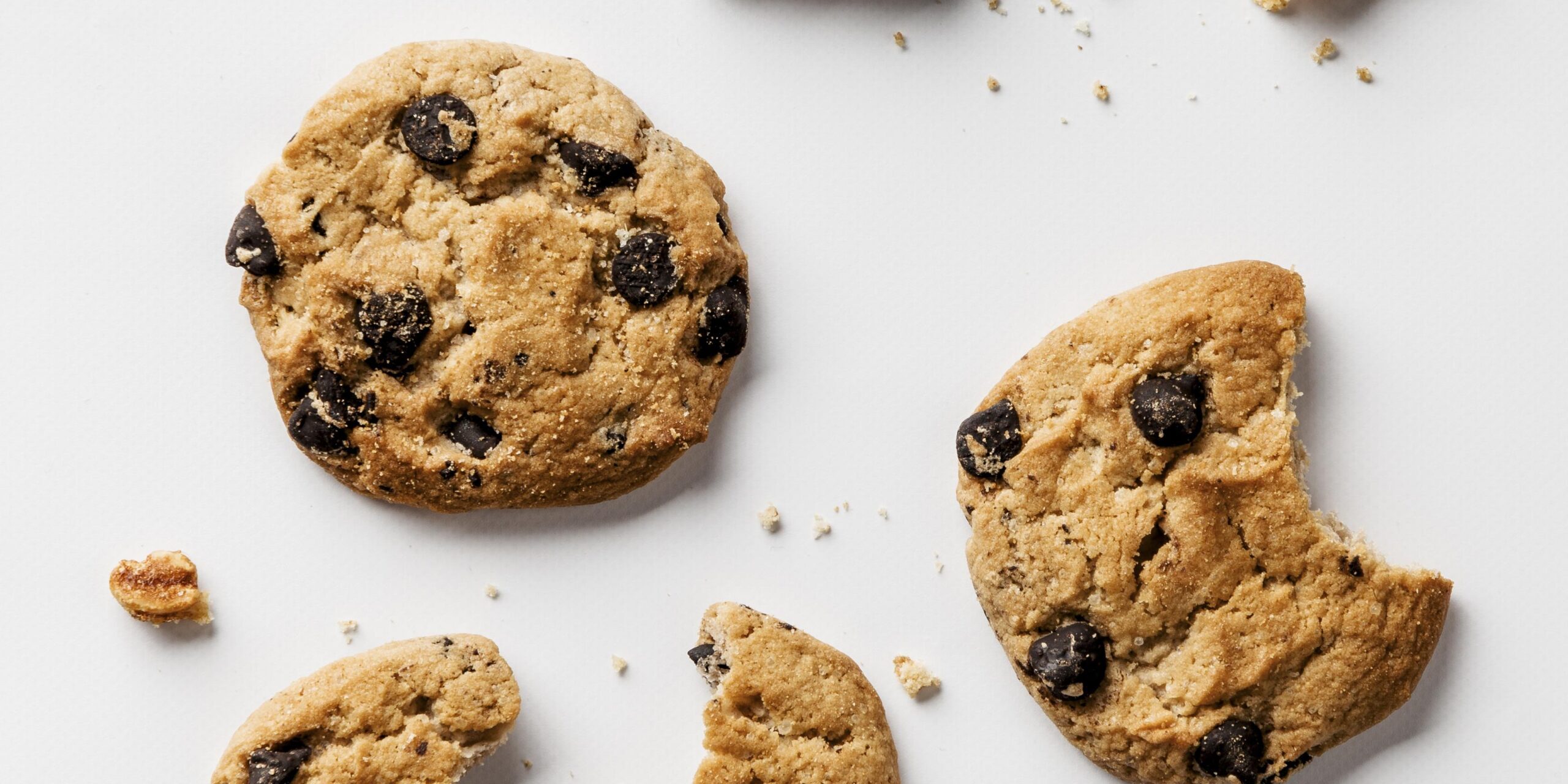
This helps explain why you might eat a whole bag of crisps or cookies and still not feel satisfied. The food isn’t meeting your fundamental nutritional requirements, particularly for protein.
Switching to meals that prioritize protein, such as eggs, salmon, pulses, lean meats, tofu, nuts and seeds, can help satisfy your body’s deeper needs. This doesn’t just curb cravings; it can naturally reduce calorie intake without you having to “diet” at all.
Do you crave salty snacks?
If sweets aren’t your thing, maybe salty snacks like crisps, salted nuts or cheese are.
Generally speaking, this may be a sign that your adrenal glands are under strain, and similar to sugar, that hankering for salt could be attributed to stress, fatigue or PMS. You rely on your adrenals to produce the stress hormones cortisol and adrenaline whenever you need it. That might mean meeting that deadline at work, training for a marathon or gearing yourself up for a big presentation.
But chronic demand can lead to adrenal fatigue. This can suppress other key hormones like aldosterone, which helps regulate fluid and sodium levels. If your body isn’t retaining enough sodium, you may develop a strong urge for salty foods.
These cravings might be accompanied by other symptoms such as fatigue, excessive thirst, headaches and nausea. If you are experiencing a multitude of these symptoms, a trip to the doctor would be recommended for further investigation.
Of course, too much salt can tip the scales the other way, contributing to high blood pressure and cardiovascular issues, so balance is key.
Ultimately, it’s about tuning into your own body and how it’s feeling. What signs is it giving you each day?
Listening to your body
Ultimately, cravings aren’t just about willpower or habit. They may be real messages from your body, revealing imbalances, deficiencies, or unmet needs, particularly when it comes to protein.
Rather than falling into a cycle of restriction and relapse, try a different approach: tune in.
Swap out low-nutrient foods for more protein-rich, fibre-filled, lower-GL alternatives like legumes, wholegrains, root vegetables and unprocessed sources of fat. Not only do these help balance blood sugar and curb cravings, they also provide the foundational nutrients your body has been quietly asking for all along.
Working with a Nutritional Therapist can empower you to decode these signals, understand your unique nutritional needs, and build habits that support your long-term health and wellbeing.
Please do get in touch at gaby@rivernutrition.uk if you would like to find out more.