


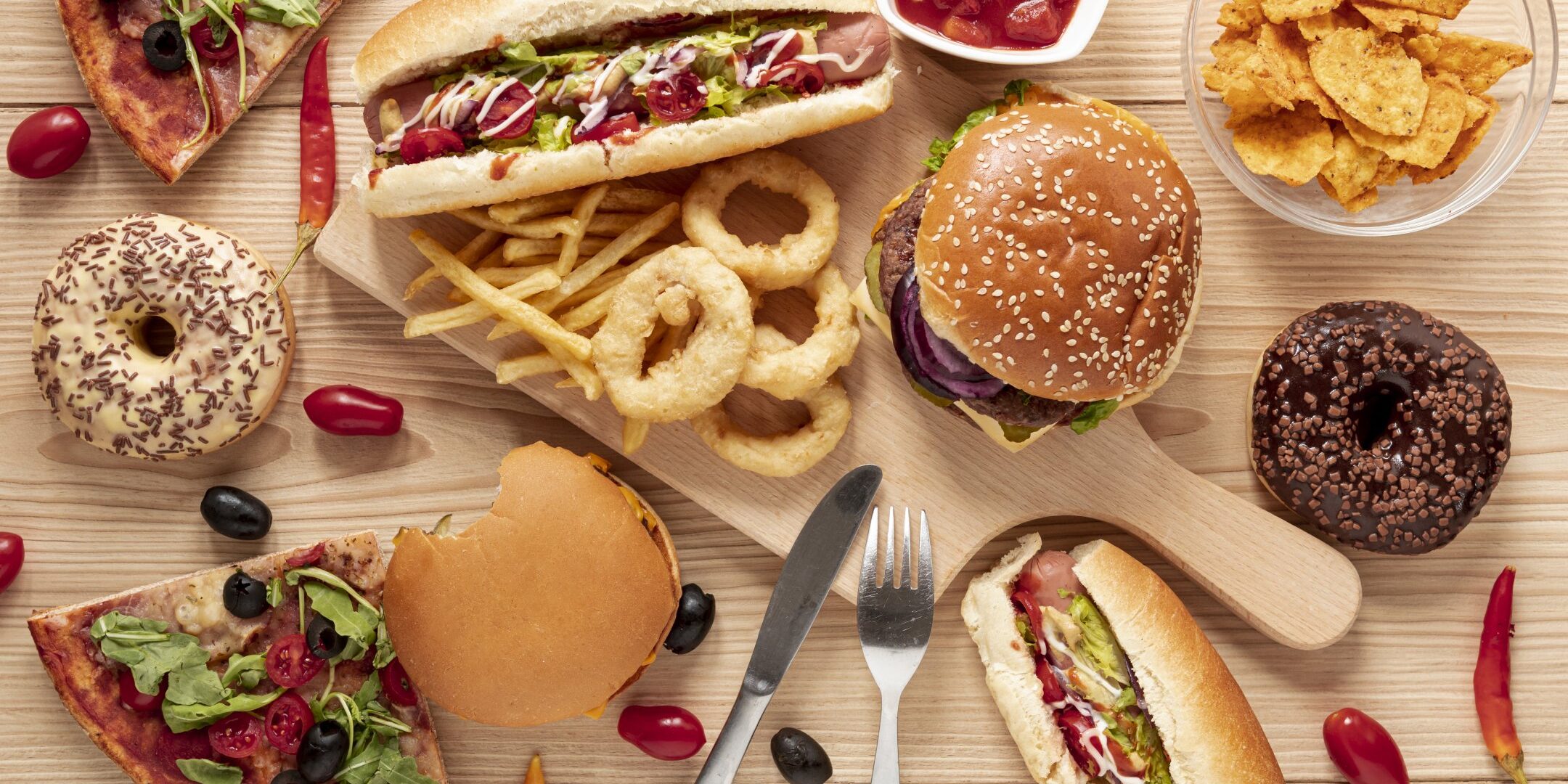
A recent article in the Guardian, detailed the government’s decision to delay the UK-wide ban on junk food advertising aimed at children, pushing it back from October 2025 to January 2026.
This depressingly familiar and sadly, a direct blow to efforts to improve children’s health.
This was a flagship policy for Labour, a bold step to curb the aggressive marketing of high-fat, salt and sugar (HFSS) foods on television and online before 9pm, when children are most likely to see them. And yet, within months of taking office, the government has bowed to lobbying pressure from the very companies that profit most from unhealthy diets.
As a Nutritional Therapist, I see first-hand how parents are fighting an uphill battle against the barrage of unhealthy food marketing. Despite their best intentions, many are overwhelmed by a food landscape designed to sell, not to nourish.
Meanwhile, the statistics are grim. UK children are growing up shorter and heavier than their predecessors. Obesity among young people has risen by nearly 30%, and diagnoses of type 2 diabetes in children have risen by over 20% in recent years.
Much of this is linked to diets high in ultra-processed foods (UPFs), now making up around 60% of the average UK diet. For children, this rises to almost 75% and adolescents almost 83%.
The marketing of these foods is relentless, and effective. Research by Cancer Research UK found that young people exposed to junk food advertising are more than twice as likely to consume HFSS foods regularly. Allowing these ads to continue, even in “brand-only” formats, keeps unhealthy products top of mind and undermines efforts to create healthier habits.
Consuming large amounts of ultra-processed food has also been linked to an increased risk of early death.
It’s disheartening, but not surprising, that the government has chosen to soften and delay implementation.
We’ve been here before. Successive governments, both Conservative and Labour, have promised to tackle junk food marketing, and then quietly backed away under industry pressure. But we are now in a genuine crisis.
Obesity-related conditions cost the NHS an estimated £6.5 billion per year. This isn’t just about waistlines, it’s about lives, health equity and the burden on our already stretched healthcare system.
Voluntary pledges from food companies unfortunately won’t cut it. They never have. We need bold, enforceable policy that prioritises children’s wellbeing over corporate profits.
The government must follow through on its commitments, not only for the sake of their own credibility, but for the future health of an entire generation.
Resources
- The Guardian (22 May 2025) UK ban on junk food adverts targeting children delayed until next year UK ban on junk food adverts targeting children is delayed until next year | Ultra-processed foods | The Guardian
- NHS Digital (2022) Childhood Obesity Statistics Children’s overweight and obesity – NHS England Digital
- Cancer Research UK (2018) The impact of junk food marketing on children’s eating habits Obesity risk doubles for teens bombarded with junk food adverts – Cancer Research UK – Cancer News
- British Medical Journal (2023) Ultra-processed foods and health outcomes in the UK Ultra-processed food exposure and adverse health outcomes: umbrella review of epidemiological meta-analyses | The BMJ
- Public Health England (2017) Health matters: Obesity and the food environment Health Matters: Obesity and the food environment – UK Health Security Agency
- The Guardian (17 May 2025) UK government dropped health push after lobbying by ultra-processed food firms UK government dropped health push after lobbying by ultra-processed food firms | Ultra-processed foods | The Guardian
- NHS Digital (2022) Adult overweight and obesity Adult overweight and obesity – NHS England Digital
- Cancer Research UK (2025): Junk Free Junk Free | Cancer Research UK
- American Journal of Preventive Medicine (2025): Premature Mortality Attributable to Ultra-Processed Food Consumption in 8 Countries Premature Mortality Attributable to Ultraprocessed Food Consumption in 8 Countries – American Journal of Preventive Medicine
- First Steps Nutrition Trust (2025) Ultra-processed foods marketed for infants and young children in the UK Ultra-processed foods marketed for infants and young children in the UK — First Steps Nutrition Trust
- European Journal of Nutrition (2024) Ultra-processed food intake in toddlerhood and mid-childhood in the UK Ultra-processed food intake in toddlerhood and mid-childhood in the UK: cross sectional and longitudinal perspectives | European Journal of Nutrition
- British Medical Journal (2019) Ultra-processed foods and excessive free sugar intake in the UK: a nationally representative cross-sectional study Ultra-processed foods and excessive free sugar intake in the UK: a nationally representative cross-sectional study | BMJ Open