


Let’s face it, after a long, hectic day with the trials and tribulations of modern life, there are few things more appealing than to unwind with a glass of wine or a G&T on the sofa once the dishwasher is stacked and the children are in bed.
The UK is famous for its pub culture, enjoyed and admired by tourist from around the world. We’ve got atmospheric pubs, cosy bars and cool restaurants, all serving a wide array of alcoholic drinks. Drinking is so much part of our culture and social life that we barely stop to think about it. Those of us who decide to drink less or even stop altogether are the odd ones out, and society doesn’t make our lives easy. Ask for an alcohol-free drink at one of the above-mentioned drinking establishments and you may well be met with blank faces and the option of choosing between cola, lemonade, fruit juice or water.
But things are changing.
Why would you not want to drink?
I won’t bore you with the health reasons to shun alcohol (of which there are many), but I can tell you that your liver, your heart, your brain and your gut would thank you if you let off the booze. But you know that already. We all do, and yet we drink (often too much) anyway. Why?
Alcohol seems to help us relax, bestow confidence upon the shy, give us courage, loosen our tongue and help us sleep. But in the end, we always pay the price.
Even with moderate, and in our society ‘normal’, alcohol consumption the aftermath is not great. A dry mouth, a headache, sensitivity to noise and light, and crushing fatigue are the classic symptoms of a hangover. It isn’t fun, and it will affect our mood and performance the next day. Which we will try and improve by having copious amounts of caffeine (also not good) or even another drink.
Now imagine staying sober, not necessarily forever, but at least more often. Alcohol-induced sleep is not refreshing, sober sleep is. You’d wake up without a hangover, bright-eyed and bushy-tailed, and ready to face the day. Going out and staying sober means you can drive yourself home after a night out and can give late-night public transport a miss. The next day, you’ll remember exactly who you talked to and what you said. Your mood will be stable (alcohol is a depressant) and you’ll be able to focus and concentrate, perform better at work, as a mum, when exercising and in anything else you are striving to achieve.
Sober is now cool
The UK, home of the pub crawl, is sobering up.
Alcohol consumption among Britons has been falling steadily for several years, and Brits are “sober curious.” Twenty-one percent of 18- to 60-year-olds don’t drink any alcohol at all, and among 18- to 24-year-olds the figure is even higher at over 25 percent.
As a result of the new desire to stay sober, the selection of non-alcoholic spirits continues to expand.
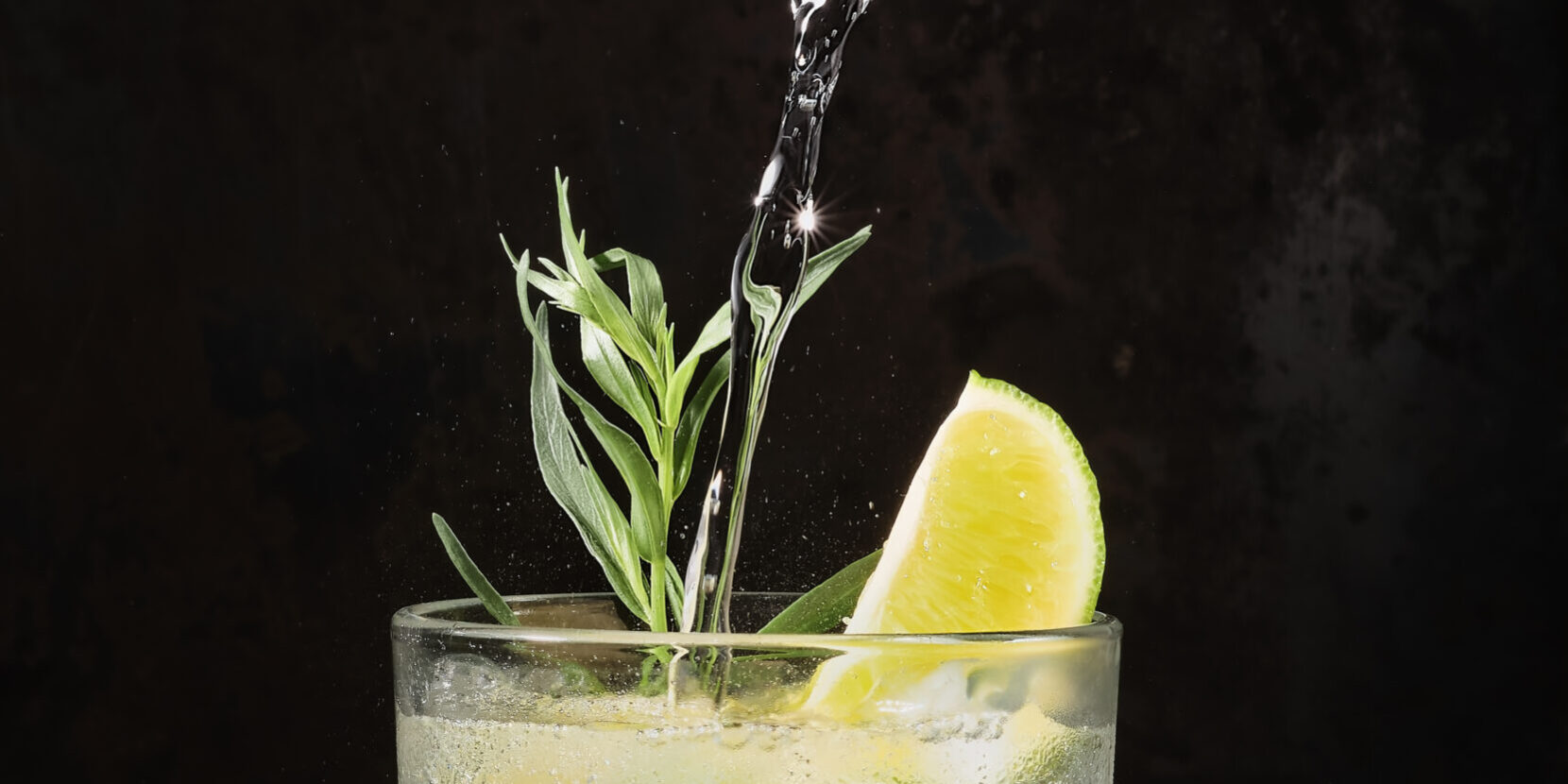
“Seedlip,” the first non-alcoholic distillate, hit the market in 2016, and there are now around 70 competitors. “Seedlip Garden”, with flavours from peas, rosemary and thyme, is delicious with tonic. Even though the drink’s creation doesn’t involve juniper, its taste comes pretty close to a classic gin and tonic.
A separate gastronomic genre has already emerged in London, so-called “sober bars”, where no alcoholic drinks are served. James Watt, founder of craft beer brand “Brewdog,” wants guests not to have to compromise on quality, taste and experience when they choose a drink with little or no alcohol. Currently, “Brewdog” has five non-alcoholic craft beers in its range. At the beginning of January 2020, the first “Brewdog Bar AF” opened in London’s Eastend with 15 non-alcoholic beers on tap. In its first month, the new beer bar counted 20,000 guests. More branches followed, not just in sober London.
Gone are the days when water or orange juice were the only options for those who chose not to drink. You can now choose from a variety of alcohol-free drinks, not just in sober bars, but on the menus of regular restaurants and bars, the supermarket shelf and online.
So, what sort of thing do sober people drink?
High-up on the list are botanicals, alcohol-free distillates resembling gin, vodka, rum or whiskey. Most manufacturers list mocktail recipes, illustrated by delicious looking photographs.
Brewers were probably the first to try and recreate an alcoholic drink that didn’t contain alcohol. They have had the longest time to perfect their product, and it shows. There are now excellent non-alcoholic beers that are so good that even seasoned drinkers cannot tell the difference.
Mocktails, too, have been around for a long time. Many see cocktails as a particularly tricky alcoholic drink, as they often taste like juice but pack a real punch. The resemblance to fruit juices makes them fairly easy to recreate. After all, juice tastes like juice, too.
My personal favourite is Mother Root, a spicy ginger drink with apple cider vinegar, that is mixed with soda.
Alcohol-free wine and champagne may still need a bit of work. Or perhaps you just need to taste your way through a range of them until you find one that hits the spot. They’re out there though, and vintners are working hard on perfecting non-alcoholic wines.
Like the brewers, distillers and bartenders, they are well aware of this growing trend and not about to lose out.
So, watch this space. Delicious alcohol-free wines are probably just around the corner too.