


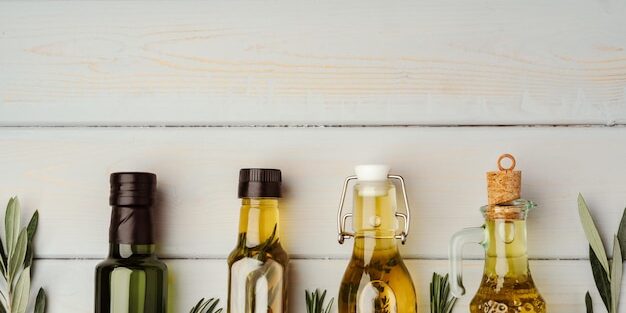
This is a question I get asked a lot, most recently at the talk I gave this week. I felt it would be helpful to spend some time putting together a blog which outlines which fats, oils and cooking methods I recommend.
Eating healthy fats like nuts, seeds, avocado, olives and oily fish are good for you and help you feel full but how much of them should you be eating and which are the heathiest?
I recommend eating oily fish such as salmon, trout, tuna and mackerel, three times a week and having at least one heaped tablespoon of nuts and seeds every day.
This ensures you not only meet all your dietary needs for essential fats, but you will also feel satisfied or ‘full’. We need fats for healthy cell membranes, to make hormones (like testosterone and oestrogen) as well as immune cells, to regulate inflammation and metabolism- and we need fats because 60% of our brains are fat. Don’t be put off by the misleading anti-fat messaging. Eating healthy fats can help as part of a health and weight loss programme.
The best way to cook with oil
Eating the right fats is important and so is the method used to cook and prepare foods. For instance, frying at high temperatures and burning damages both the food and the oil, as well as making them harmful to your health. Some oils are OK when used for cooking but many are not.
It is best to stick to other methods of cooking like steaming, baking, poaching and steam frying instead of stir frying. You can steam fry simply by adding a small amount of water to the oil, stir frying for a minute or two and then covering with a lid to cook. This method reduces the heat, protecting the oil from becoming damaged and is, therefore, better for your health.
Top food preparation tips
- Buy foods as fresh and unprocessed as possible and eat them soon afterwards.
- Eat more raw food, as there are many more nutrients intact.
- Use as little water as possible as the goodness in the food leaks into the water. Reuse any water used for soups or sauces.
- Steaming, poaching and steam frying are the healthiest methods of cooking.
- Favour slower cooking methods that retain flavour and nutrients whilst introducing less heat.
- Don’t overcook, burn or brown food.
- Fry foods as infrequently as possible and try switching to coconut oil for steam frying.
Vegetables oils
Vegetable and seed oils are being used more widely than ever and many nutritionists believe this might be a major cause of health problems. Ultimately, how healthy (or otherwise) they are depends on the plants they come from, how they are processed, how they are stored and how you use them.
Nutritionists often suggest avoiding the following due to their very high omega 6 content, and the refining methods used, which can create inflammation in the body.
- Sunflower oil
- Peanut oil
- Rice bran oil
- Corn oil
- Palm oil
- Vegetable oil (often rapeseed oil)
Which fats for cooking?
How the fat is used (through cooking and processing) is the deciding factor in whether it’s healthy or unhealthy. Essential fatty acids (EFAs) become free radicals in the presence of light, oxygen and heat.
Frying with oils like olive oil at high temperature leads to oxidation and the production of free radicals. In short, if you heat an oil past its “smoke point” the flavour changes and the oil can become damaged – it becomes inflammatory for the body and may increase the risk of heart disease or cancer.
One of the healthiest and most versatile oils to cook with is extra virgin olive oil but its low smoke point makes it best for low to medium heats – don’t use it for stir frying or roasting at high temperatures.
Good oils for high temperatures are saturated fats, which are more stable. These include avocado oil, coconut oil, butter, ghee (clarified butter), goose fat or cold pressed rapeseed oil.
A little drizzle
Omega 3 fats (the kind of fat found in oily fish and some nuts and seeds) are very anti-inflammatory but they are fragile, so aren’t well suited to being used for cooking. Instead, consider using them to perk up salads and veggies. These oils include flaxseed oil, almond oil, sesame seed oil and walnut oil. Other oils perfect for including in dressings include extra virgin olive oil and avocado oil. A dressing will ensure you get the most out of your salad and your veggies; vitamins A,D,E and K are fat soluble, meaning our bodies can’t absorb them without fat being present.
Top Tip
Try using your own delicious salad dressings with extra virgin olive oil or avocado oil or any of the oils above rather than shop bought ones. They take seconds to make. Make yours with cold pressed, unprocessed nut or seed oils mixed with garlic, herbs and a good quality red/white wine or apple cider vinegar and fresh black pepper.
Make a simple dressing
Put all the ingredients together in a jam jar. Pop the lid on and shake.
Classic vinaigrette:
2 tbsp white or red wine vinegar, 1/2-1 tsp Dijon mustard, sprinkle of dried mixed herbs, salt and freshly ground black pepper, 6 tbsp good extra virgin olive oil.
Chilli & garlic:
60ml extra virgin olive oil, 1 tsp sliced chilli, 1 garlic clove, crushed. Salt and pepper to season.
Balsamic vinaigrette:
6 tbsp extra virgin olive oil, 2 tbsp balsamic vinegar, 1 level tbsp clear honey, 1 level tbsp wholegrain mustard.
References
Refining Vegetable Oils: Chemical and Physical Refining Refining Vegetable Oils: Chemical and Physical Refining – PMC
What is the healthiest cooking oil? What is the healthiest cooking oil? – BBC Future
Effect of low-fat diet interventions versus other diet interventions on long-term weight change in adults: a systematic review and meta- analysis Effect of low-fat diet interventions versus other diet interventions on long-term weight change in adults: a systematic review and meta-analysis – PubMed
Dr Mark Hyman, Food: WTF Should I Eat? A no-nonsense guide to achieving optimal weight and lifelong health
Oils and fats: changes due to culinary and industrial processes Oils and fats: changes due to culinary and industrial processes – PubMed
Omega-3 fatty acids in obesity and metabolic syndrome: a mechanistic update Omega-3 fatty acids in obesity and metabolic syndrome: a mechanistic update – ScienceDirect
The importance of maintaining a low omega-6/ omega-3 ratio for reducing the risk of autoimmune diseases, asthma and allergies The Importance of Maintaining a Low Omega-6/Omega-3 Ratio for Reducing the Risk of Autoimmune Diseases, Asthma, and Allergies – PMC
The Ecologist, Drizzle with care Drizzle with care
The Fat-Soluble Vitamins: A,D,E and K The Fat-Soluble Vitamins: A, D, E and K
Th Best Oils for Cooking Journal of the Scientific Society